

Holding Back Soil to Stop Washouts and Landscape Damage
Retaining wall construction prevents soil erosion by holding soil in place on slopes and uneven ground. When rain falls or sprinklers run, loose soil can wash downhill. A properly built wall creates a barrier that supports the soil and controls water flow. This helps protect your yard, foundation, driveway, and nearby structures from damage.
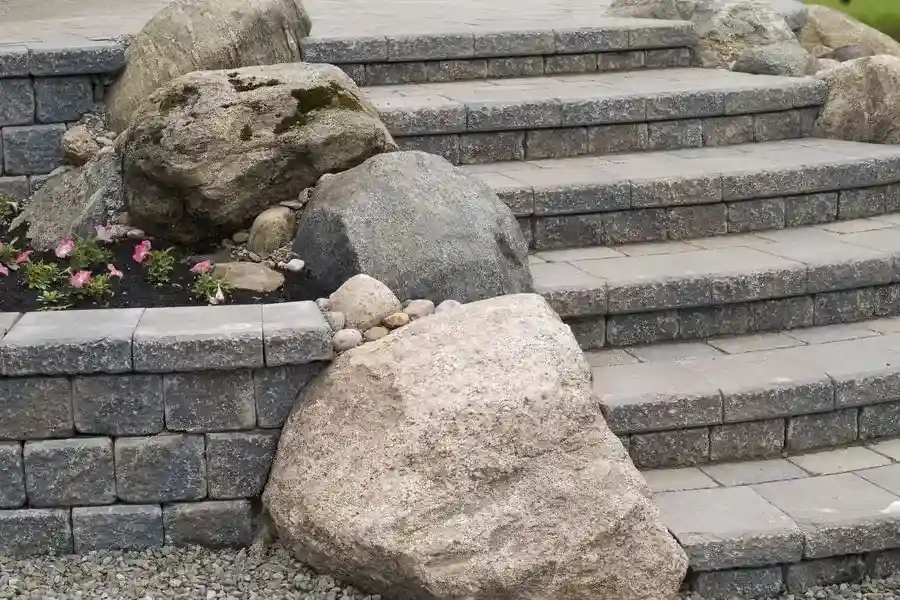
What You Need Before Starting
Before starting any retaining wall project, you need a clear plan. Not every slope needs the same type of wall. The height of the hill, the type of soil, and how water moves across your property all matter.
Here is what you should look at first:
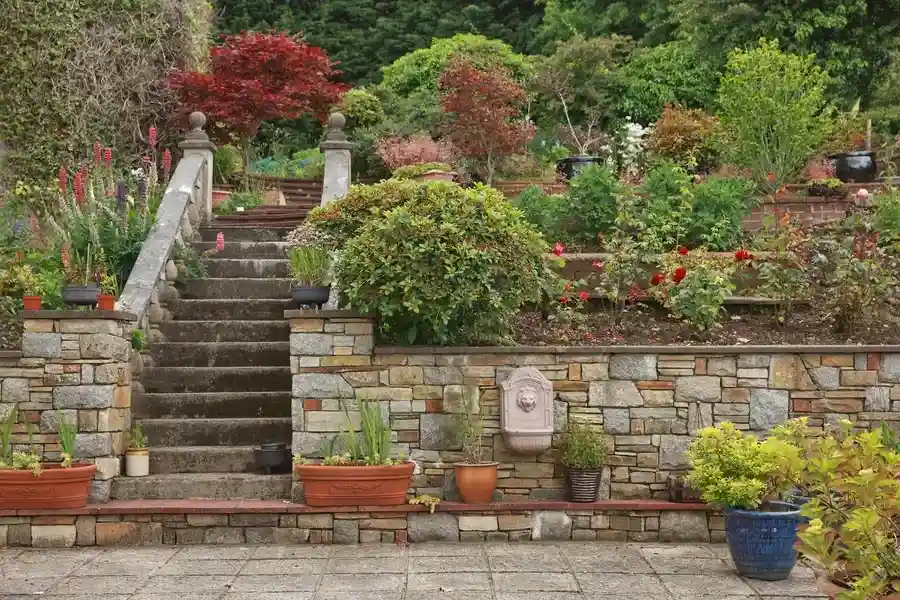
- The steepness of the slope
- Soil type, such as clay or sandy soil
- Drainage patterns during heavy rain
- Nearby structures like patios or foundations
- Local building codes and permit rules
Clay soil holds water and can push hard against a wall. Sandy soil drains faster but may shift. Knowing these details helps you decide on the right design and materials.
Step-by-Step: How Retaining Walls Stop Erosion
Retaining wall construction follows a basic process that supports soil and manages water. Each step plays a role in preventing erosion.
- Excavation: The area is dug out to create a solid base. Loose soil is removed.
- Base preparation: A layer of compacted gravel is added. This gives the wall a stable foundation.
- Wall installation: Blocks, concrete, stone, or timber are placed in level rows.
- Drainage setup: Drain pipes or gravel backfill are installed behind the wall.
- Backfilling: Soil is placed and compacted behind the wall to hold it firm.
The wall acts as a brace. It resists the weight of the soil behind it. At the same time, the drainage system reduces water pressure. Without drainage, water builds up and can cause soil to push through or around the wall.
Common Mistakes to Avoid
Many erosion problems happen because a wall was not built the right way. Small errors can lead to big repairs later.
- Skipping proper drainage behind the wall
- Building on soft or loose ground
- Making the wall too short for the slope
- Not compacting soil in layers
- Using materials not rated for load-bearing support
For example, stacking landscaping blocks without a solid base may look fine at first. After a few storms, the blocks can lean or shift. Once that happens, soil starts washing out from behind the wall.
When to Call a Professional
Small garden walls under a few feet tall may be simple projects. Taller walls or walls near a home are different. These require careful planning and structural support.
You should contact a professional if:
- The wall will be over three to four feet high
- The slope is steep or uneven
- Water pools in the area after rain
- The wall will sit close to your house or driveway
- You notice active erosion or soil sliding
Experienced crews understand grading, drainage, and soil pressure. They also know local code rules. Proper retaining wall construction not only stops erosion but also adds usable space to your yard.
Final Recommendation
If you are dealing with soil washing down a hill, exposed roots, or muddy runoff after storms, a well-built wall can solve the problem. Retaining wall construction creates a stable barrier that supports soil and directs water away from weak areas. The key is correct installation from the start. In Hicksville, NY, soil and weather patterns can make erosion worse over time. At Contreras Masonry, we design and build walls that protect your property and control runoff. Call us at (516) 212-3929 to schedule a site review and talk about the best solution for your yard.